
What Is Temporomandibular Joint (TMJ) Pain? What Causes It and How Does It Go Away?
Today many people complain of pain in the jaw area, of waking up tired in the morning, or of a limited ability to open the mouth. The cause is often an unnoticed problem: temporomandibular joint (TMJ) disorders.
We asked Dr. Serap Özdamar, Specialist in Oral and Maxillofacial Surgery, about this common but often neglected problem. The specialist answered and gave important warnings.
What Is the Temporomandibular Joint (TMJ)?
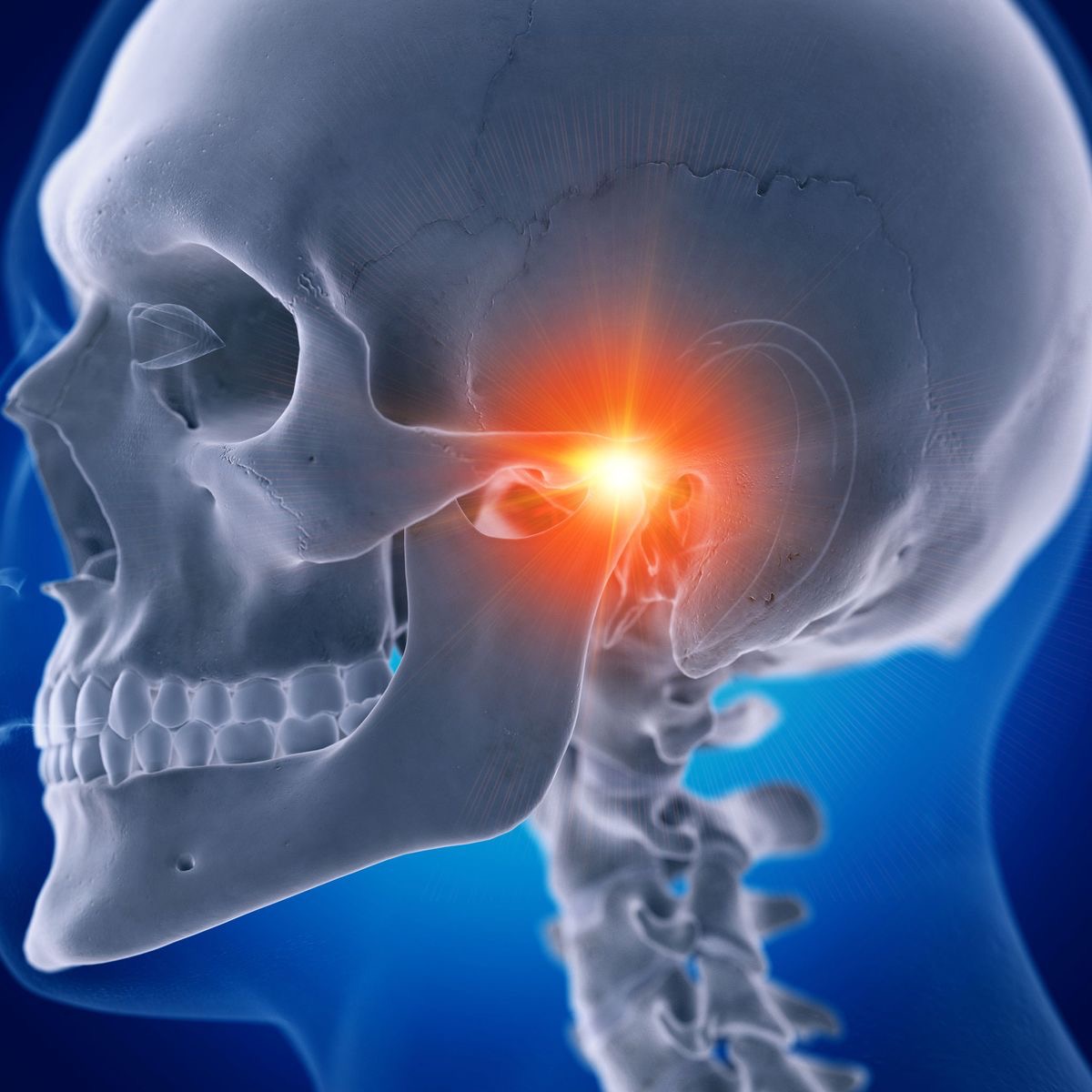
The TMJ is a small but vital joint located just in front of the ear that connects the lower jaw to the skull. It takes part in almost all daily activities such as chewing, speaking and yawning. Thanks to this joint, we can move our jaw up, down and sideways.
What Are the Symptoms of TMJ Disorders?
One of the most important points Dr. Serap Özdamar draws attention to is that this condition can show itself with a wide variety of sometimes misleading symptoms:
- A feeling of pain when opening or closing the jaw
- Clicking, popping or grinding sounds
- Earache and headache
- A limited ability to open the mouth
- A feeling of the jaw locking
While these symptoms may come and go from time to time, in some people they can turn into a chronic condition that seriously affects quality of life.
What Causes TMJ Problems?
TMJ disorders can have many different causes:
- Clenching or grinding of the teeth (bruxism)
- Stress-related muscle spasms
- Trauma (blows to the jaw)
- Displacement or perforation of the disc that forms the joint
- Inflammatory joint diseases such as arthritis
Dr. Özdamar points out that these disorders require a comprehensive assessment, saying, "Muscle and joint problems are often seen together. This can make diagnosis difficult."
What Is the Role of Stress?
Stress plays a much greater role in jaw joint pain than is generally assumed. Clenching or grinding the teeth at night can cause painful spasms in the jaw muscles. This imitates TMJ disorders and affects the treatment plan.
How Are Jaw Joint Problems Treated?
TMJ treatment is shaped by the underlying cause. Dr. Serap Özdamar states that once the correct diagnosis has been made, treatment can mostly be carried out successfully without the need for surgery. The main treatment methods are as follows:
🦷 1. Splint Therapy (Night Guard / Occlusal Splint)
A special appliance placed between the teeth allows the jaw muscles to relax. Pointing out that an occlusal splint and a night guard are different things, Dr. Serap Özdamar emphasises that what is needed in joint treatment is occlusal splint therapy.
💉 2. Arthrocentesis (Joint Lavage)
By introducing fluid into the joint, problems such as inflammation and disc entrapment are reduced.
🛠️ 3. Surgical Interventions
In advanced cases, damaged tissues can be repaired with arthroscopic or open surgery.
Sometimes stress management, physiotherapy and medication may also be needed in treatment. Surgery should generally be considered a last resort.
!!Botox injection is not an appropriate treatment approach for jaw joint disorders. Botox only postpones the problem!!
What Should You Pay Attention To?
Dr. Özdamar emphasises that individuals diagnosed with a jaw joint disorder should pay attention to some points in their lifestyle:
- If there is a bite problem in the teeth, it must be treated.
- Habits such as chewing gum, biting nails and biting pens should be given up.
- The mouth should not be opened suddenly and in an uncontrolled way (for example when yawning).
- This condition tends to flare up from time to time, so regular check-ups are important.
Conclusion: Early Intervention Improves Your Quality of Life
TMJ disorders can be brought under control with the correct diagnosis and an appropriate approach. If you also wake up with jaw pain in the morning, have a limited ability to open your mouth or notice sounds coming from your jaw, it is worth seeking a specialist's opinion.
Dr. Serap Özdamar, Specialist in Oral and Maxillofacial Surgery, drawing on the doctoral thesis she wrote in this field and on her knowledge and experience, emphasises the importance of not losing time in both the diagnosis and the treatment of TMJ disorders.
Have a question?
Book an appointment for an examination or write to us on WhatsApp.