


Dental Prostheses
Prosthetic treatment is one of the most important branches of dentistry. Depending on the number and position of the missing teeth in the mouth, it aims to correct these deficiencies and restore the integrity of the mouth, not only in aesthetic terms but also by restoring chewing function and speech. All artificial structures that replace teeth lost in the mouth for various reasons are prostheses.
A dental prosthesis made according to the patient's individual needs must fit the patient's mouth perfectly, look natural and be functional in use.
How many types of prostheses are there?
Dental prostheses are broadly divided into two groups: fixed and removable. The prosthetic teeth to be used vary according to the patient's needs.
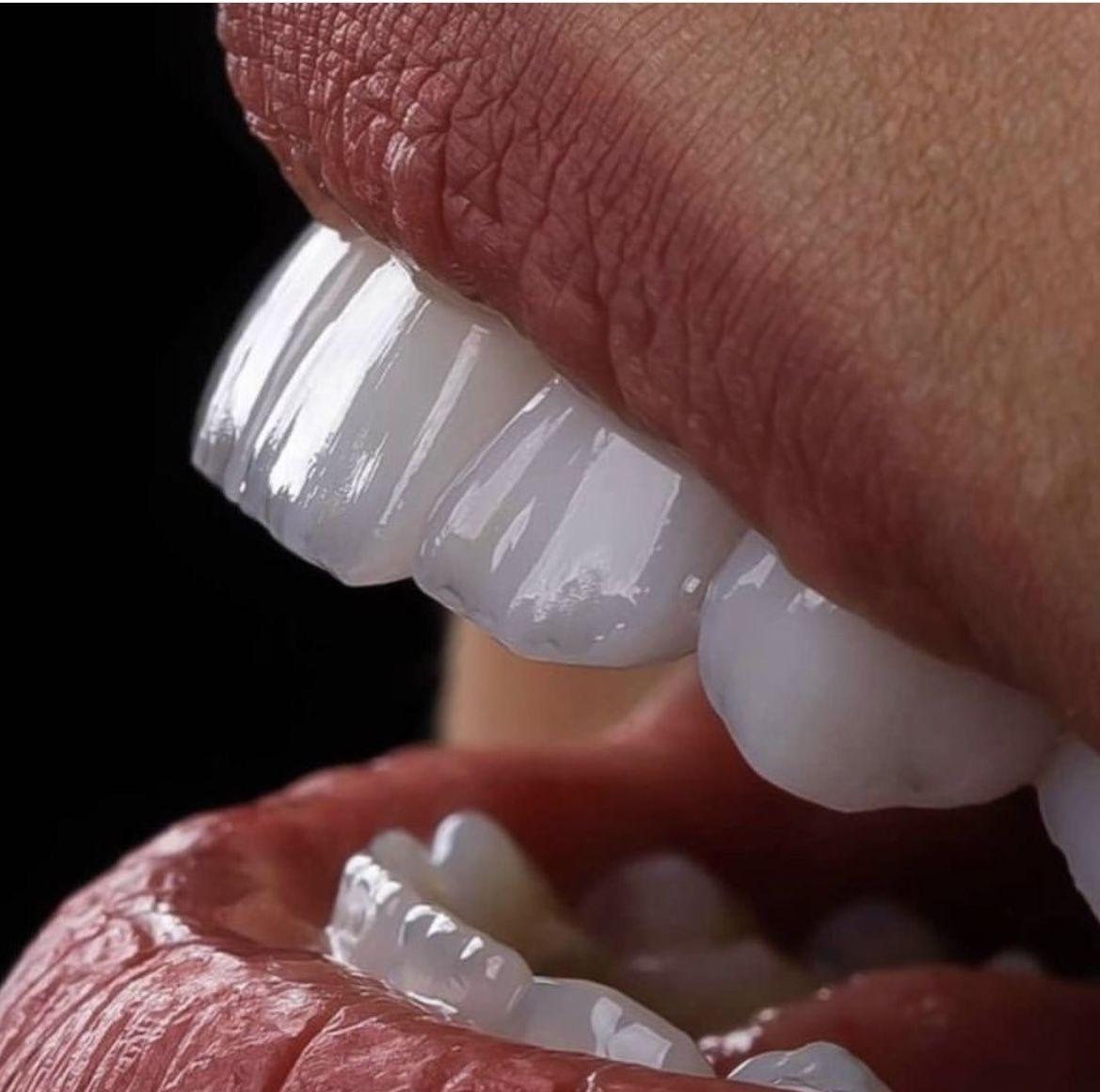
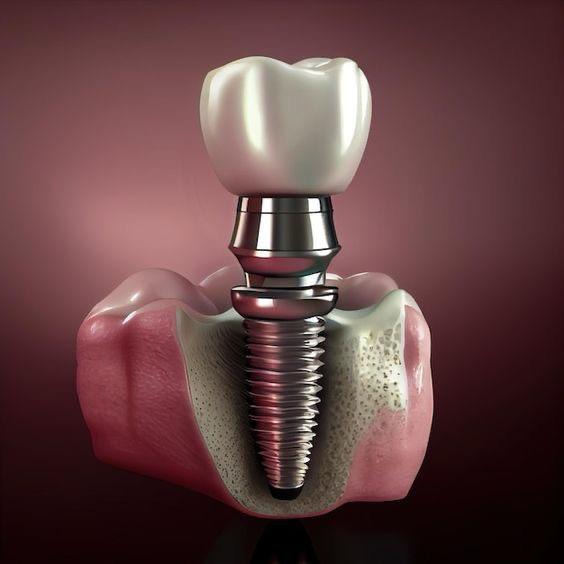
- Fixed dental prostheses: Fixed dental prostheses are cemented in the mouth or attached with screws and cannot be removed by the person at will. Crowns, laminate veneers, bridges, hybrid prostheses and implant-supported fixed prostheses belong to this group.
- Removable dental prostheses: A removable dental prosthesis can be put in and taken out by the patient. Removable prostheses can be classified as complete dentures, partial dentures and implant-supported prostheses.
What is the purpose of a dental prosthesis?
Its purpose is to restore the aesthetics, function and phonation that the individual has lost.
How long does it take to make prostheses?
This varies according to the prosthesis to be made. While it can be completed in a single session, for implant-supported prostheses the process may take up to 3 months, because the osseointegration of the implant must first be awaited.
What is the lifespan of prostheses?
With good care and hygiene, dental prostheses can serve a person for many years. The average prosthesis lifespan of 7 years is in fact an average of the changes that may occur in tissues as a result of ageing.
Can I eat comfortably with complete dentures? Will my speech change?
The retention of dentures made individually from impressions of the jaws depends on the amount of bone in the lower and upper jaws. Where the amount of bone is sufficient, the retention and stability of the denture are also good. Where the amount of tissue is insufficient, support can be obtained from implants. When complete dentures are made correctly, one can eat comfortably.
On the other hand, especially when removable prostheses are first used, problems may be experienced in pronouncing certain sounds. In this case, the problem can be eliminated by reading and speaking exercises aloud in front of a mirror. However, speech disturbances can also result from a faulty prosthesis. In that case, the prosthesis must be readjusted.
Do complete dentures move while eating?
Where the amount of bone in the lower and upper jaws is insufficient, the retention and stability of the denture teeth are reduced. In such cases, special adhesives may be used, and support from implants placed in the jawbone may also be necessary to keep the dentures from moving.
How should prostheses be cared for?
- After daily meals and before going to bed at night, you must brush your teeth and your prostheses regularly. This also prevents the formation of plaque and stains.
- Dental floss and interdental brushes should be used to clean fixed prostheses. Floss is also a very effective method for cleaning fixed prostheses. In addition, an oral irrigator is very effective, especially for implant-supported fixed prostheses.
- Mouthwashes can be used where oral hygiene is thought to be insufficient.
- The most effective way to clean removable prostheses is to soak them in cleaning solutions.
- After meals, prostheses should be taken out and cleaned by brushing.
- Abrasive powders should not be used to clean prostheses, because they scratch the tooth surface, remove the polish of the prosthesis and cause stains over time.
- Calculus (tartar) on the prosthesis and permanent stains within it should be removed by the dentist.
- People with fixed or removable prostheses should visit the dentist every 6 months for general check-ups.
Get information about this treatment
Leave your number and we will call you, or write to us on WhatsApp.