
What Is Bruxism? What You Need to Know About Teeth Grinding and Clenching
Explained by Dr. Serap Özdamar, Specialist in Oral and Maxillofacial Surgery
Dr. Serap Özdamar, Specialist in Oral and Maxillofacial Surgery, shares important information about bruxism (teeth grinding and clenching). What causes bruxism and how is it treated? All the details are in this article.
What Is Bruxism (Teeth Grinding and Clenching)?
Dr. Serap Özdamar, Specialist in Oral and Maxillofacial Surgery, explains that bruxism, commonly known as teeth grinding, results from uncontrolled movements of the chewing muscles. Although bruxism mostly occurs during sleep, it can also occur unnoticed during the day.
According to Dr. Özdamar, research shows that the most important cause of bruxism is stress and anxiety. In addition, personality traits and dental factors such as malocclusion (misalignment of the teeth) also play an important role.
Is Bruxism Seen in Children as Well?
Dr. Serap Özdamar emphasises that bruxism can occur not only in adults but also in children. Especially during the so-called mixed dentition period, when baby teeth and permanent teeth are present together, children may grind their teeth at night or during the day. This is physiological, is usually temporary and does not cause a permanent problem.
What Are the Symptoms of Bruxism?
Warning about the symptoms of bruxism, Dr. Özdamar says that attention should be paid to the following:
- Loud teeth grinding during sleep
- Wear, cracks or fractures in the teeth
- Increased sensitivity and shortening of the teeth
- Reduced height of the lower face and an aged facial expression
- Pain around the head, jaw and ears
- Sleep disturbances and morning fatigue
- Noticeable marks inside the cheek
She emphasises that a specialist should be consulted if these symptoms occur.
What Happens If Bruxism Is Not Treated?
Dr. Serap Özdamar points out that if bruxism is not treated, it can cause serious oral and jaw health problems in the long term. Because of excessive pressure on the teeth, complications can develop such as
- Damage to the gum and bone tissue,
- Loosening of the teeth,
- Shortening of the muscles,
- Difficulty opening the mouth and even
- Locking of the jaw.
The Relationship Between Bruxism and Sleep
Dr. Özdamar states that bruxism is seen more frequently and more destructively especially during REM sleep. Because reflexes are suppressed in this phase, the teeth can be exposed to more pressure. Regular, good-quality sleep is quite effective in reducing the severity of bruxism. For patients with sleep problems, taking melatonin supplements on their doctor's recommendation has a positive effect on bruxism.
Is Treatment of Bruxism Possible?
"Bruxism is a treatable condition," says Dr. Serap Özdamar, noting that the treatment process must proceed on several fronts. In particular, bringing stress under control and solving dental problems are of great importance in treatment. The methods used in the treatment of bruxism are as follows:
- Stress management and psychological support
- Correction of bite irregularities
- Replacement of missing teeth
- Various muscle relaxant and anti-oedema medications
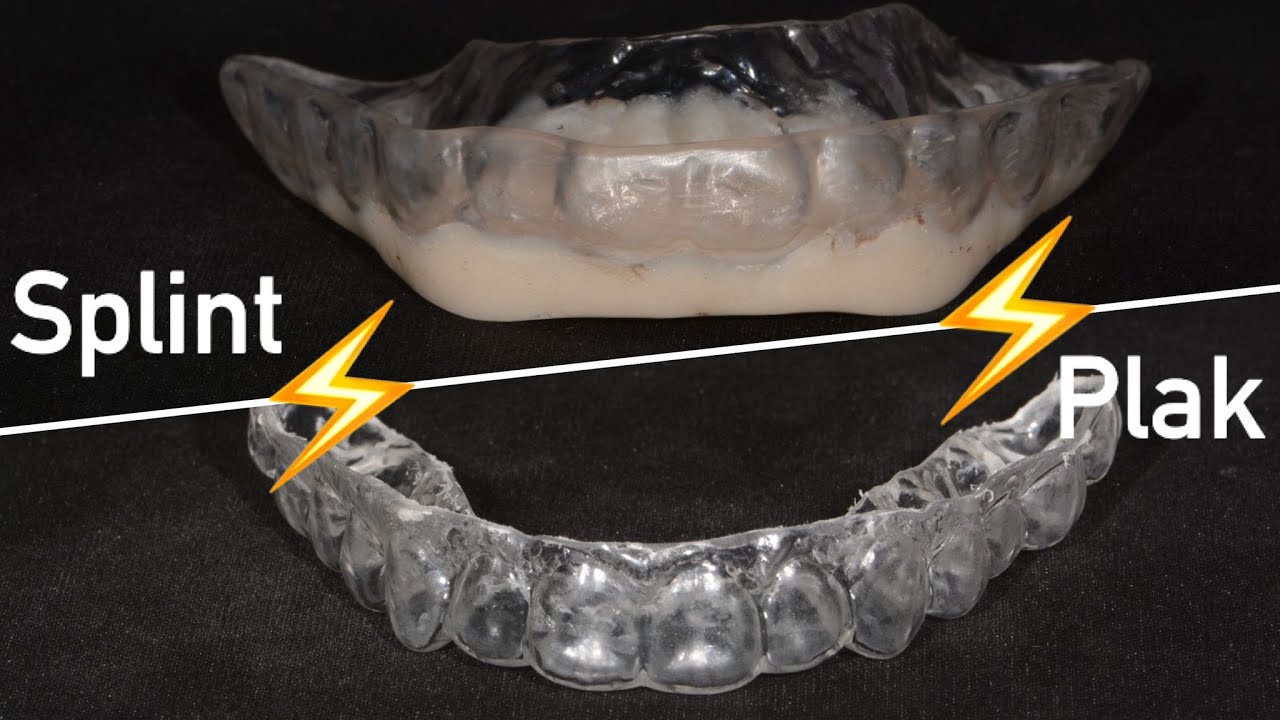
- Use of an occlusal splint: These special plates protect the teeth by preventing them from touching each other during sleep. They must be prepared individually and applied by dentists who are specialists in this field. An occlusal splint must definitely not be soft. These plates, made of a hard material, must be adjusted individually to the patient's mouth.
Dr. Özdamar particularly emphasises that Botox injections have also come up in recent years, but that this is not a permanent or definitive solution, and that incorrect and uncontrolled application can even be risky. Please remember that the area of use of Botox in the treatment of bruxism is very limited and that it should never be seen as an alternative to scientifically proven "occlusal splint" therapy.
A Warning from Dr. Serap Özdamar
"Bruxism is a condition that should not be taken lightly. Early diagnosis is of critical importance for both jaw health and overall quality of life. If you wake up with jaw pain, tooth sensitivity or fatigue, do not hesitate to consult a specialist."
Conclusion
Bruxism is a condition with both physical and psychological effects. As Dr. Serap Özdamar, Specialist in Oral and Maxillofacial Surgery, also emphasises, if this condition is detected in time and treated correctly, it is possible to prevent possible complications.
Have a question?
Book an appointment for an examination or write to us on WhatsApp.